
Scaling and Root Planing
Ann Arbor, MI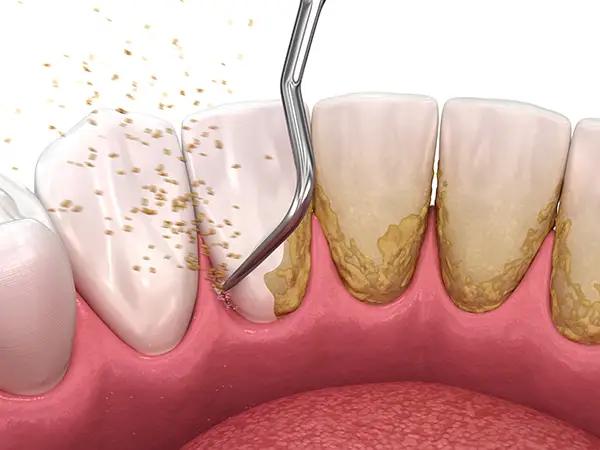 For a long time, oral health was treated as largely separate from general health. That understanding has shifted considerably. Research over the past several decades has demonstrated meaningful connections between the bacteria associated with gum disease and a range of systemic conditions, including heart disease, diabetes, and respiratory illness. This does not mean that gum disease causes these conditions directly, but the relationship is significant enough that treating gum disease has become recognized as relevant to overall health, not only dental health. For a long time, oral health was treated as largely separate from general health. That understanding has shifted considerably. Research over the past several decades has demonstrated meaningful connections between the bacteria associated with gum disease and a range of systemic conditions, including heart disease, diabetes, and respiratory illness. This does not mean that gum disease causes these conditions directly, but the relationship is significant enough that treating gum disease has become recognized as relevant to overall health, not only dental health.Scaling and root planing is the primary non-surgical treatment for gum disease, and it addresses the bacterial source of infection in a way that no other cleaning method can reach. How Gum Disease Affects the Rest of the BodyThe gums are richly supplied with blood vessels. When bacteria associated with gum disease are allowed to colonize below the gumline over time, the chronic inflammation that results allows those bacteria and their byproducts to enter the bloodstream. The systemic effects of this ongoing bacterial exposure are an active area of research. Among the most studied associations is the connection between gum disease and cardiovascular health. Individuals with periodontitis have been found to have higher rates of atherosclerosis and cardiovascular events. The inflammatory response triggered by gum infection may contribute to arterial inflammation, a known factor in heart disease. For patients with diabetes, the relationship is particularly well-established. Chronic high blood sugar creates conditions in the mouth that favor bacterial growth, increasing the risk and severity of gum disease. At the same time, gum disease makes it harder for the body to regulate blood sugar. Treating gum disease has been associated in some studies with modest improvements in blood sugar control. Why Non-Surgical Treatment Is Often EffectiveScaling and root planing is effective at treating moderate to advanced gum disease precisely because it addresses the bacterial load that drives the condition. By removing hardened deposits of tartar from below the gumline and smoothing the root surfaces where bacteria re-colonize, Dr. Greashaber, DDS eliminates the primary source of infection. The procedure does not require incisions or sutures. For many patients, it is sufficient to bring the disease under control and allow the body's own healing processes to reduce pocket depth and restore gum tissue attachment. Surgical intervention is reserved for cases where non-surgical treatment has not produced adequate improvement or where structural problems with the bone or tissue cannot be addressed any other way. What the Treatment Involves at Greashaber DentistryDr. Greashaber performs scaling and root planing using local anesthetic to ensure patient comfort throughout. Scaling is performed first, using specialized instruments to remove the bacterial deposits and calculus from below the gumline and within infected pockets. Root planing follows, smoothing the root surfaces to discourage bacterial re-establishment and promote healing of the surrounding gum tissue. The treatment is generally divided into multiple appointments, with different sections of the mouth treated at each visit. This approach allows for thorough care without overly long appointments and lets patients return to normal activities quickly after each session. Healing and What to Monitor After TreatmentSome tenderness and sensitivity to temperature are expected after each appointment. These symptoms are normal and temporary. As the gums heal in the weeks that follow, inflammation decreases, tissue firms up, and pockets often become shallower. A follow-up evaluation at Greashaber Dentistry will assess how the treated areas have responded. Pocket depth measurements will be compared to the readings taken before treatment, and the overall health of the gum tissue will be assessed. If the response has been strong, patients transition to a periodontal maintenance schedule. If areas of concern remain, Dr. Greashaber will discuss what additional steps might be warranted. Lifestyle Factors That Influence Gum Disease and HealingSeveral factors outside of oral hygiene influence gum disease and how well patients respond to treatment. Smoking is the most significant modifiable risk factor. Tobacco use suppresses the immune response in the gums, restricts blood flow to the tissue, and significantly impairs the healing process after treatment. Patients who smoke are more likely to experience recurring gum disease and slower improvement after scaling and root planing. Stress, certain medications that reduce saliva flow, and conditions that affect immune function can also influence gum disease. Dr. Greashaber takes a comprehensive approach, discussing any relevant health factors during the evaluation process to develop a treatment plan that accounts for the full picture. Preventing Recurrence Through Ongoing CareGum disease is a chronic condition, not an episode with a clear endpoint. Scaling and root planing treats the active infection, but maintaining the results over time requires continued commitment. Patients who have been treated for gum disease return to Greashaber Dentistry every three to four months for periodontal maintenance visits rather than the standard twice-yearly schedule. These visits include cleaning, monitoring of pocket depths, and early intervention if any areas begin to show signs of renewed activity. Daily brushing and cleaning between teeth remain essential. The goal is to keep bacterial levels low enough that the conditions for gum disease never re-establish. Contact Greashaber Dentistry to Discuss Your Gum HealthIf you have been diagnosed with gum disease or are experiencing symptoms that concern you, reaching out now is the most effective thing you can do. Dr. Greashaber and the team at Greashaber Dentistry are experienced in evaluating and treating gum disease at every stage. Call (734) 519-7978 to schedule a consultation and find out whether scaling and root planing is the right step for you. |
 Office Hours:Mon: 9am - 3pm Tue: 8am - 5pm Wed: 8am - 5pm Thu: 8am - 5pm Fri: Closed |
