
Longevity of Dental Veneers Ann Arbor, MI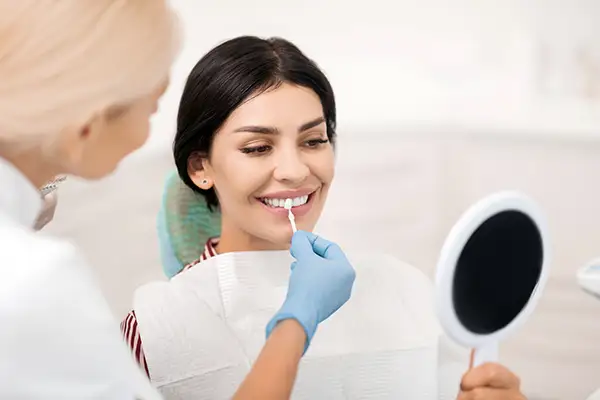 A bright, even smile can have a positive impact on your confidence and overall appearance. For many patients at Greashaber Dentistry, dental veneers provide an effective way to achieve the smile they have always wanted. Veneers can conceal stains, repair minor imperfections, and create a more balanced look while preserving much of the natural tooth structure. Although veneers are known for their durability, they are not meant to last forever. Knowing what affects their lifespan and how to care for them can help you enjoy your results for many years. A bright, even smile can have a positive impact on your confidence and overall appearance. For many patients at Greashaber Dentistry, dental veneers provide an effective way to achieve the smile they have always wanted. Veneers can conceal stains, repair minor imperfections, and create a more balanced look while preserving much of the natural tooth structure. Although veneers are known for their durability, they are not meant to last forever. Knowing what affects their lifespan and how to care for them can help you enjoy your results for many years.What Makes Dental Veneers So Popular?Dental veneers are ultra-thin restorations that are bonded to the front surfaces of teeth. Each veneer is individually crafted to match the color, shape, and size of the surrounding teeth, creating a natural-looking result that complements your facial features. Veneers are often recommended to improve the appearance of:
Because they address multiple cosmetic concerns at once, veneers have become one of the most versatile treatments in cosmetic dentistry. How Long Can Dental Veneers Last?One of the greatest advantages of veneers is their longevity. While no dental restoration lasts indefinitely, veneers are designed to provide years of dependable performance. Porcelain veneers commonly last between 10 and 15 years, with many lasting 20 years or longer when properly maintained. Composite veneers generally have a lifespan of about five to eight years because the material is more prone to wear and staining. The actual lifespan varies from one patient to another. Daily habits, oral hygiene, overall dental health, and regular professional care all influence how long veneers remain attractive and functional. Why Porcelain Is a Durable ChoicePorcelain has become the preferred material for veneers because it combines beauty with exceptional durability. Unlike natural enamel, porcelain is highly resistant to staining from coffee, tea, red wine, and many colorful foods. It also reflects light similarly to natural teeth, creating a realistic appearance that blends seamlessly into your smile. In addition, porcelain withstands the normal forces of chewing remarkably well. Although it is durable, it should still be treated with care to avoid unnecessary stress. The Foundation MattersEven though veneers cover the front of your teeth, they rely on healthy natural teeth and gums for long-term success. If plaque accumulates around the edges of a veneer, the underlying tooth can still develop decay. Gum disease may also affect the tissues supporting the veneers, potentially compromising their appearance and stability. Maintaining excellent oral health helps preserve the strong foundation that veneers depend upon. Build Healthy Daily HabitsSimple daily habits play a significant role in extending the life of your veneers. Brush your teeth every morning and evening using a soft-bristled toothbrush and a non-abrasive fluoride toothpaste. Gentle brushing removes plaque without scratching the polished surface of the veneers. Flossing once each day helps clean between the teeth and beneath the gumline, reducing the risk of gum inflammation and decay around the veneers. Using an alcohol-free mouth rinse may also help reduce bacteria while supporting healthy gums. Protect Your Veneers During MealsMost foods can be enjoyed without concern after receiving veneers, but a little caution goes a long way. Avoid biting directly into extremely hard foods with your front teeth whenever possible. Ice, hard candy, popcorn kernels, and similar items can place excessive pressure on veneers. If you enjoy crisp fruits or crusty bread, cutting them into smaller pieces before eating can reduce unnecessary force on the front teeth. These simple precautions can help minimize the risk of chips or cracks. Break Habits That Can Cause DamageMany veneer failures are linked to everyday habits rather than normal chewing. Avoid using your teeth to open packages, remove bottle caps, hold objects, or tear tape. These actions can place unexpected stress on veneers and increase the chance of damage. Likewise, chewing on pens, pencils, or fingernails may gradually weaken the veneers or their bond to the teeth. Treating your veneers with the same care you would give any valuable investment helps preserve their appearance and function. Address Teeth Grinding EarlyBruxism, or chronic teeth grinding and clenching, is one of the most common threats to veneer longevity. Teeth grinding often occurs during sleep, meaning many people are unaware they have the condition until signs of wear become visible. If the dentist notices evidence of teeth grinding, we may recommend a custom nightguard. This appliance cushions your teeth while you sleep, reducing pressure on both veneers and natural teeth. Protecting your smile from excessive force can significantly extend the life of your restorations. Why Routine Dental Visits MatterProfessional dental care remains essential after veneers are placed. Regular examinations allow the dentist to evaluate the condition of each veneer, monitor your bite, and check the health of your gums and supporting teeth. Small concerns, such as minor wear or weakened bonding, can often be identified before they become larger issues. Professional cleanings also remove tartar and polish your teeth, helping your veneers maintain their natural luster. Consistent preventive care often leads to better long-term outcomes. Knowing When Veneers Need AttentionEven well-maintained veneers eventually show signs of age. Scheduling an evaluation promptly when you notice changes can help prevent more extensive treatment. Possible signs include:
The dentist can determine whether a veneer can be repaired or whether replacement is the better long-term option. Modern Veneers Continue to ImproveAdvances in dental materials and bonding technology have made today's veneers more durable than ever before. Improved ceramics, stronger bonding agents, and precise digital planning all contribute to restorations that look natural and perform exceptionally well. As cosmetic dentistry continues to evolve, patients benefit from veneers that are both highly aesthetic and increasingly reliable. When replacement eventually becomes necessary, newer materials may provide even greater longevity than previous generations. A Lasting Smile Begins With Proper CareDental veneers are an excellent way to create a healthier-looking, more confident smile that can last for many years. While porcelain veneers are known for their strength and durability, their lifespan ultimately depends on how well they are cared for. Maintaining excellent oral hygiene, keeping up with routine dental visits at Greashaber Dentistry, avoiding harmful habits, and protecting your teeth from excessive pressure all contribute to long-lasting results. These simple steps not only preserve your veneers but also promote the health of your natural teeth and gums. If you are interested in learning whether veneers are right for your smile or would like guidance on caring for your existing restorations, our dental team is here to help. Give us a call at (734) 519-7978. Together, we can create a personalized plan that keeps your smile looking healthy, beautiful, and vibrant for many years to come. |
 Office Hours:Mon: 9am - 3pm Tue: 8am - 5pm Wed: 8am - 5pm Thu: 8am - 5pm Fri: Closed |
