
Digital X-Rays
Ann Arbor, MI
If you've visited a dental office in the past decade or so, there's a good chance the X-rays you received were digital rather than traditional film-based images. Digital radiography technology has become the standard in modern dental care, and while most patients accept them without much thought, understanding how they work, why they're used, and what they reveal can help you feel more engaged in your own care here at Greashaber Dentistry. Traditional X-rays relied on photographic film placed inside the mouth, which was then developed in a chemical darkroom process. Digital X-rays replace that film with an electronic sensor or phosphor plate that captures the image and transmits it directly to a computer screen. There's no darkroom, no waiting, and no developing chemicals. The image appears within seconds. Types of Digital X-Rays Used in DentistryNot every X-ray captures the same information. The X-ray you receive depends on what the dentist needs to evaluate. Each type serves a specific diagnostic purpose, and the dentist will select the appropriate combination based on your age, health history, and treatment needs. Bitewing X-RaysBitewing X-rays show the upper and lower back teeth together in a single image, making them ideal for detecting cavities between teeth and monitoring bone levels between checkups. Periapical X-RaysPeriapical X-rays capture the full length of one or two teeth, from crown to root tip, providing a detailed look at root structure, bone density around the root, and signs of infection or abscess. Panoramic X-RaysPanoramic X-rays use a rotating arm to capture the entire mouth, jaw, temporomandibular joints, and sinuses in one wide image. These are commonly used during new patient exams, orthodontic evaluations, or implant planning. Cone Beam CTCone Beam CT (CBCT) scans are the most advanced form of digital dental imaging, producing a three-dimensional model of the teeth, bone, and soft tissue structures. These are typically reserved for complex implant cases, oral surgery planning, or evaluation of the jaw and airway. How Much Radiation Is Involved?Radiation exposure is one of the most common concerns patients raise about dental X-rays, and it's a fair one to ask about. The good news is that digital X-rays emit significantly less radiation than traditional film-based X-rays, with most estimates placing the reduction somewhere between 70 and 80 percent. To put it in perspective: a full series of digital dental X-rays delivers a fraction of the radiation you receive from a cross-country flight, or simply from background environmental sources you encounter every day. Bitewing X-rays, in particular, involve very low doses and are generally considered safe for routine use. Greashaber Dentistry also uses lead aprons and, when appropriate, thyroid collars during X-ray procedures. These precautions help minimize exposure to areas of the body outside the imaging field. If you're pregnant or believe you may be, let the dentist know before any imaging takes place. While the radiation levels involved are low, it's standard practice to postpone elective X-rays during pregnancy unless there's a clear clinical need. What Can Digital X-Rays Detect?X-rays reveal what the naked eye cannot. Even a thorough clinical exam can miss problems that develop below the gumline, between teeth, or inside bone tissue. Digital X-rays help identify:
Early detection is one of the most significant advantages digital imaging offers. Catching a small cavity before it reaches the pulp, or identifying bone loss before it progresses, means simpler treatment with a better outcome. Image Quality and Diagnostic AdvantagesBeyond reduced radiation, digital X-rays offer measurable improvements in image quality. The sensor captures finer detail than traditional film, and the resulting image can be enlarged, enhanced, or adjusted for contrast without losing resolution. The dentist can identify subtle changes more reliably, and images can be compared side by side across years of records to track patterns over time. For patients, this often means being able to see the problem directly on screen. When a dentist can point to an image and explain exactly what's happening, the conversation about treatment becomes clearer and easier to understand. How Often Should You Have X-Rays Taken?There is no universal frequency that applies to every patient. A healthy adult with no history of decay or periodontal disease may only need bitewing X-rays every two to three years. A patient with active gum disease, a history of frequent cavities, or ongoing restorative work may need images more often. Children and adolescents typically require more frequent monitoring because their teeth and bone structures are still developing. Panoramic X-rays are often taken during early orthodontic consultations or before wisdom tooth removal to get a complete view of the developing dentition. Our dentist at Greashaber Dentistry will recommend an imaging schedule based on your individual clinical picture, not a standard checklist. Digital Storage and RecordsOne practical benefit patients rarely think about is how digital X-rays are stored. Because images are captured electronically, they become part of your permanent digital record immediately. They can be retrieved instantly during future visits, shared securely with specialists or oral surgeons when a referral is needed, and compared with previous images to track changes over time. If you change dental providers, your records including your imaging history can be transferred electronically rather than searching for physical film copies or waiting for prints to arrive in the mail. Talk With Our Dentist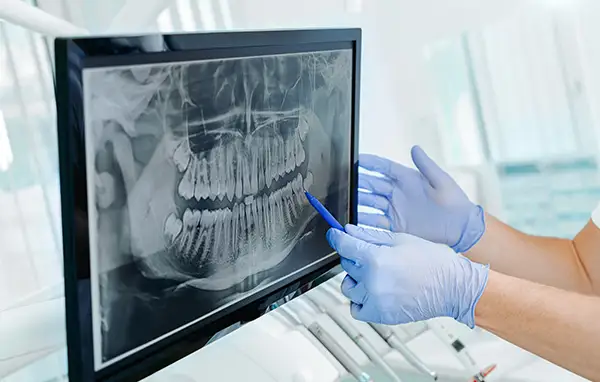
If you have questions about why a particular X-ray is being recommended, how frequently you should expect imaging to occur, or what the images show, don't hesitate to ask. Our dental care team at Greashaber Dentistry is glad to walk you through what's visible on screen, explain what it means for your dental health, and help you make informed decisions about treatment. Call us at (734) 519-7978 to schedule your next visit or ask about what to expect. |
 Office Hours:Mon: 9am - 3pm Tue: 8am - 5pm Wed: 8am - 5pm Thu: 8am - 5pm Fri: Closed |
